From presence to preference.
Turn an existing UK footprint into a clear reason for new customers to choose the brand.
A creator-led growth strategy connecting skincare understanding, everyday rituals and TikTok Shop.

Turn an existing UK footprint into a clear reason for new customers to choose the brand.
A focused product edit, relevant creators and a purchase journey that is easy to understand.
A pilot with defined responsibilities, measured economics and conditional investment.
Self-initiated concept by Aleksandra Wydrzynska. Not commissioned by Bielenda Group. All campaign activity, prices, budgets and targets are proposed; no results are claimed.
Bielenda does not need a fictional market entry. It needs a focused next step.
Bielenda announced its official Amazon UK store in 2020. At group level, Tołpa’s entry into Boots was reported in 2024. Existing availability creates a foundation; it does not tell us how new shoppers discover, understand or choose a specific line. [1, 2]
Clear product education, credible personal trial and a simple offer can turn interest into purchase more effectively than reach and discounting alone. Test this through conversion, bundle uptake and contribution per order.
A proposed Barrier Renew edit for UK shoppers seeking hydration, comfort and a routine they can understand.
Initial audience hypothesis: women approximately 25-40 buying accessible to mid-priced skincare. Validate needs, product suitability and buying behaviour through reviews, customer conversations and early shop data.
SupremeLab belongs to Bielenda Professional within the wider group portfolio. Keep that distinction clear. Polish provenance supports the story; product relevance earns the purchase.

Proposed first purchase: a personal evening-routine demonstration.
£11.90
Routine extension: explain intended use and approved application guidance.
£12.90
Routine completion: show texture and cleansing use.
£10.90Day + night · £21.90
Test a simple two-product routine.
Full trio · £29.90
Test willingness to buy the complete edit.
Illustrative prices, not confirmed RRPs. Validate exact SKUs, landed costs, delivered competitor prices and retailer alignment. Match suitability and claims to each formula; no universal, fragrance-free or vegan claim is assumed.
Creator activation, a coherent brand story and meaningful product trial inform the proposed Bielenda launch.

THG attributed 68% of early UK TikTok Shop revenue to affiliate activity after its January 2026 launch. Build creator activation alongside shop readiness. [3]
Reported by its partner; total revenue, precise window and profitability were not disclosed.

Its UK team reported 82 partnerships and seeding to 1,000 community members. Give diverse voices one coherent campaign idea. [4]
Campaign activity is not proof of incremental sales. Image: Ultimate Summer Glow / YeahNice.

Its September 2026 London event linked community, product discovery and shoppable LIVE. Give the product a genuine role in a shared experience. [5]
Reported event attendance; no event GMV or incremental revenue was disclosed.
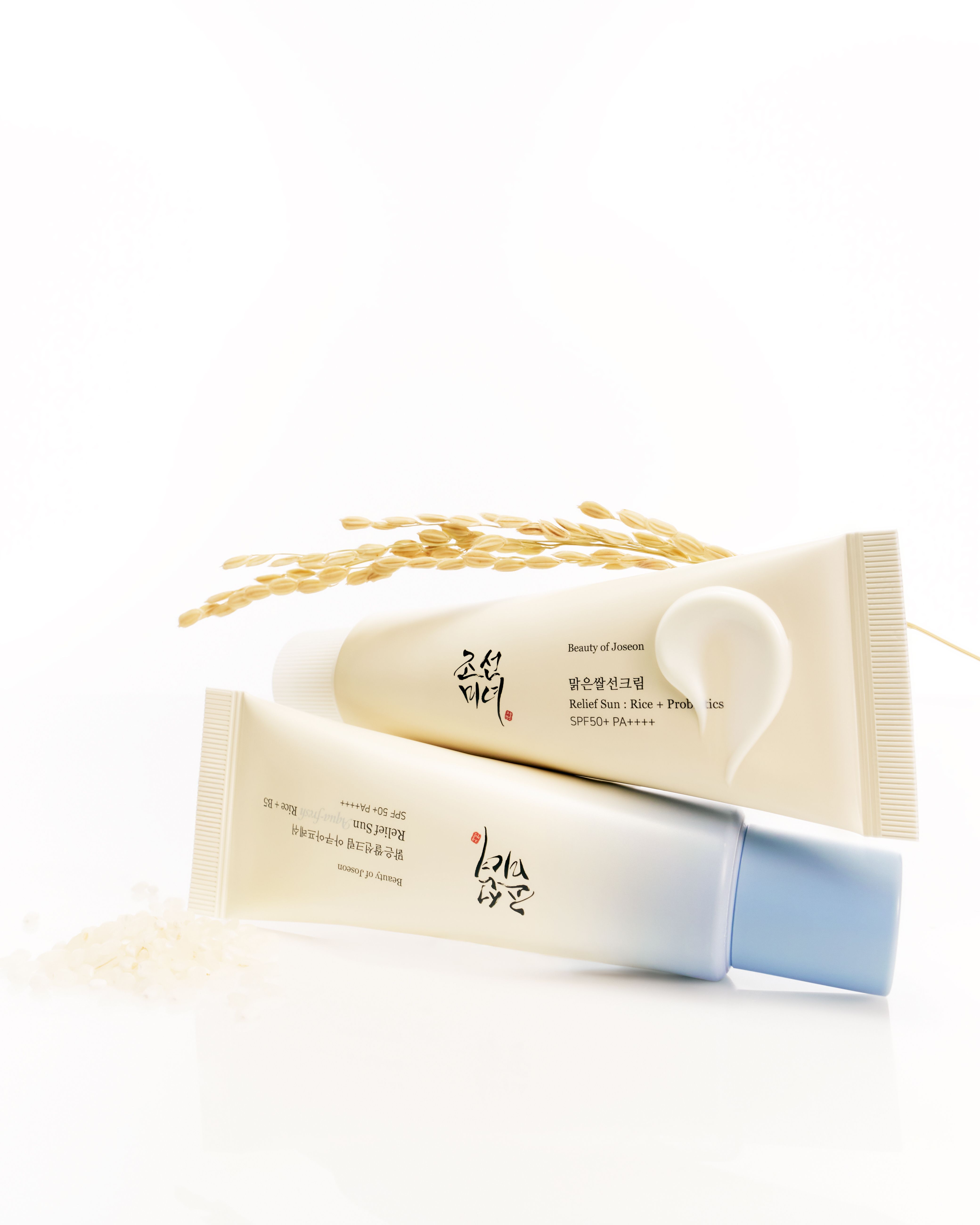
Brand imagery illustrates each brand’s world, not necessarily the exact activation described. Beauty of Joseon image: Relief Sun campaign reference supplied for this study. Reported figures are context, not guaranteed outcomes for Bielenda.

Let heritage open the conversation. Let personal experience make it relevant.
A Slavic-inspired visual direction grounded in Polish provenance: natural light, close observation, tactile textures and everyday care. Represent different skin tones, ages and backgrounds. Heritage belongs to the brand story, not a required appearance.
Cast real people and develop personal discovery stories. Product trial comes before recommendation. Approved benefits and honest experience shape the message.
One illustrative creator sequence connects the story to a product, an offer and a measurable purchase.

A creator introduces the product through genuine trial. A tagged product gives an interested viewer a route to the listing without a separate search.
Tap the product tag in the mockup to continue.
Product description, ingredients, suitability and approved directions.
The product detail page answers what it is, who it may suit and how to use it. Consistent imagery, clear price and delivery terms reduce uncertainty.
Explore the offer from the product page.
Delivery and any discounts confirmed before payment. No customer or payment information is collected in this mockup.
Test a first product against a duo and trio. Confirm availability, delivery charges and the final payable price before a customer completes the order.
Conceptual UI only. No purchase or payment action.
Coordinate stock, fulfilment and support. Check delivery reliability, refunds and customer questions before accelerating demand.
Commission honest follow-up content. Repeat successful formats and investigate objections. Treat early reorder signals separately from proven customer lifetime value.
Creative test: compare heritage-led and need-led openings, then single-product and bundle-led offers. Record sample sizes and contribution. Mockups are conceptual; agree disclosure and usage rights.
A coherent creator programme combines discovery, explanation and conversion.
Research examples for three creative roles. Recruit the TikTok Shop affiliate cohort separately using UK buyer relevance, category performance, content quality, refunds and contribution.

Agency positioning centres on realistic beauty and personal skin experience. Explore a story about what earns a place in her routine.
Selection checks: TikTok activity, UK audience and formula suitability. No acne-treatment brief.

A potential voice for a clear explanation of product choice, textures and intended use. Brief around questions shoppers actually ask.
Selection checks: existing partnerships, product fit, fees and usage rights.

Explore an accessible event conversation about routines and confidence, drawing on her experience as a makeup artist and creator.
Selection checks: hosting fit, channel relevance and current partnerships. No condition-specific product claims.
An evening of skin, stories and modern rituals. A curated London event connecting expert conversation, product discovery and creator content.
Mortimer House’s Loft & Gallery, subject to availability, layout and quote. Its operator lists up to 70 seated/theatre or 120 standing. Plan for 60 attendees so conversation, product trial and filming remain comfortable. [16]
Approval-based Luma registration and a selected mix of enthusiasts, creators and media. Allow time for genuine product trial and agree paid deliverables, rights and tracking.
A 25-minute moderated expert talk, audience questions, texture demonstrations and a consent-led filming space. Separate independent general education from brand-specific product information.
Publish contracted content, support first shoppable posts and review 7/30-day attributed orders. Report attendance, usable assets, creator activation and sales separately.
Proposed mix: 25 enthusiasts, 20 creators, 5 media and 10 industry/community guests. Target 5 creators publishing a first shoppable post within 14 days. These are planning targets, not benchmarks.
Illustrative £14k: £4k venue/catering, £2k host/speakers, £3k content capture, £2k styling/production, £1k guest logistics and £2k contingency. Paid creator deliverables remain in the creator allocation; gift stock remains in sampling. Approximately £233 per attendee before stock/internal time.
Investment gate: assess usable assets, activated creators, qualified trial and commercial learning together. Attendance does not establish payback. The event is a planning proposal.
A 90-day operating plan with tangible outputs, shared ownership and a decision at every stage.
Confirm products, claims, costs, stock, fulfilment and support. Build listings and bundles, test orders and brief the first creators.
Launch only when the customer journey and operational ownership work end to end.
Test hooks, offers and creators. Run a manageable LIVE schedule. Review customer questions, contribution and refunds weekly.
Look for repeatable signals. Diagnose weak conversion before adding media or commitments.
Commission follow-ups, expand productive affiliates and deliver the event only if justified. Adjust stock and media together.
Release more investment where economics, creative supply and delivery reliability support it.
Strategy, creator programme, campaign calendar, agency briefs, budget allocation and commercial recommendations.
KAM: retail priorities. Operations: stock, delivery and support. Regulatory: product readiness. Finance: costs and reconciliation. Agencies: agreed execution.

The base model exposes a constraint: there is little room for paid acquisition at the proposed prices.
Start with validated costs and an initial test allocation. Release the wider envelope only if learning and economics justify it.
The conditional 90-day envelope is £48k, including the initial £12k and the proposed £14k event. This is an investment scenario, not a commitment. Inventory, variable order costs and internal salaries are additional.
Average order value
Contribution before advertising
Contribution after advertising
Gross ROAS at variable-cost break-even
This is an order-level sensitivity model, not a forecast or a platform attribution report. Fixed launch costs remain additional.
£48k allocation: £10k creators/rights, £10k media, £3k sampling/shipping, £4k content/LIVE, £14k event, £3k setup/support and £4k contingency. Initial £12k: £4k creators/rights, £3k media, £1.5k samples/shipping, £1.5k content/LIVE and £2k setup/support. Quotes and ownership must be confirmed; do not count the same deliverable twice.
Reality check: 1,000 orders at the base AOV yield £19,500 gross sales and approximately £3,080 contribution before advertising and fixed launch costs. That does not recover a £48,000 programme. Define the bounded learning rationale and a separate evidence-based payback plan.
Repeatable content, acceptable post-ad contribution, stock and delivery capacity. Increase investment in controlled steps.
Interest without purchase, weak bundle adoption or creator output. Improve the offer, page or brief and test again.
Persistent negative economics or an experience that cannot support demand. Protect the budget and document the learning.
Set numeric acquisition and sales thresholds after validating costs and initial data. Platform new buyers are not automatically new to the brand. Keep direct sales, retailer halo and assisted effects distinct; do not assume lifetime value to justify a loss.
The 90-day pilot should produce evidence the UK team can use.
Turn campaign learning into specific choices about the offer, the creator programme and the next investment.
A documented comparison of product messages, single purchases and bundles, with conversion, AOV, contribution and customer feedback.
Which products and offers should lead the next campaign?
A cohort review covering content quality, publishing activity, attributed orders, refunds and contribution, alongside agreed usage rights.
Which partnerships deserve repeat briefs and further investment?
A scale, revise or stop recommendation with budget, stock needs, operational capacity and the assumptions still requiring validation.
What should the business fund in the next quarter, and why?
My contribution: connecting brand direction, commercial judgement and operational coordination in one accountable growth plan.
Independent study, prepared November 2026. Brand and partner reports are context, not audited Bielenda results. All campaign activity, creators, venue, prices and targets are proposals. Public biographies do not verify current platform performance. Confirm product information and image permissions before publication. Campaign imagery is used as reference and does not depict the proposed activity.
Have a brand to build, a challenge to solve or an opportunity worth exploring? I'd love to hear from you.